Arm Lifting Standards: Grip Strength as a Sport
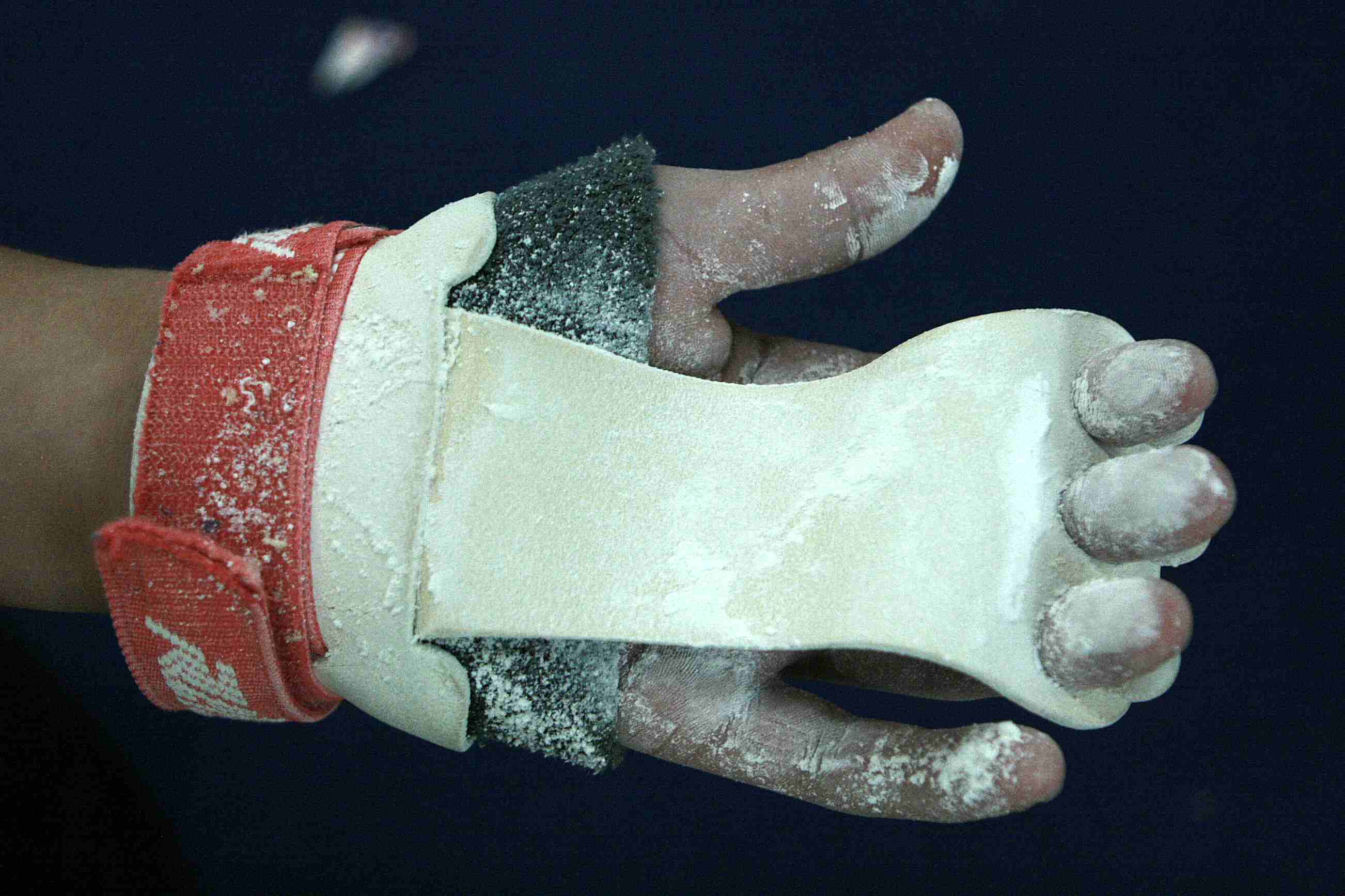
Arm lifting is defined by the hand-implement relationship: handle diameter, rotation, pinch surface, and hold time all change the result. Photo: Jim Lamberson / Wikimedia Commons, CC BY-SA 4.0.

Arm lifting is competitive grip strength. Instead of asking only how much an athlete can squat, press, or pull from the floor with a regular bar, it asks narrower questions: how much can the hand hold on a rotating thick handle, a hub, a pinch block, a rectangular bar, or a timed gripper hold?
That narrowness is useful. Grip strength is often discussed as an accessory quality, but arm lifting makes it measurable. The athlete chooses a discipline, competes in a bodyweight class, and compares the result with rank standards.
This site currently lists standards from the Russian Arm Lifting Union (SAR) for Arm Lifting: Rolling Thunder, Apollon's Axle, Hub, Two-Handed Pinch Grip Block, Excalibur, Silver Bullet, and Saxon Bar. Most tables use the April 8, 2024 revision; Excalibur uses the July 1, 2025 revision supplied in the source documents.
What arm lifting measures
Arm lifting is not one lift. It is a family of grip events. Each implement changes what the hand must do:
- Rolling Thunder rewards thick-handle support strength while the handle rotates.
- Apollon's Axle uses a thick axle, so the hand cannot close around the bar as easily as on a standard barbell.
- Hub is a pinch-style lift on a hub implement.
- Two-Handed Pinch Grip Block tests two-hand pinch strength on a block.
- Excalibur is another grip lift with its own handle geometry and loading profile.
- Silver Bullet is a timed hold measured in seconds rather than kilograms.
- Saxon Bar uses a rectangular thick bar and turns the lift into a demanding two-hand pinch/support test.
The common theme is that the hand is the limiting system. Back strength, hip position, and body tension still matter, but the result is usually decided by the fingers, thumb, wrist, and the ability to keep the implement from slipping.
How to read the standards
Read the arm lifting standards page in this order:
- Choose the discipline.
- Choose sex.
- Choose the unit if you need pounds instead of kilograms.
- Find the bodyweight class.
- Compare the result against Elite, IMS, MS, CMS, I, II, and III.
Silver Bullet is different because it is a timed hold. Its standards are seconds, not kilograms, and the table does not use bodyweight classes in the source document.
The SAR source notes age coefficients for rank calculations up to IMS inclusive: 50-54 years +10%, 55-59 +15%, 60-64 +20%, 65-69 +25%, and 70+ +30% to the shown result. The adjusted result is rounded down: usually to 2.5 kg, to 1.25 kg for Hub, and to whole seconds for Silver Bullet.
Why the implement matters
Two athletes can both have a strong grip and still perform very differently across disciplines.
A thick rotating handle punishes anyone who relies on friction alone. A hub lift asks the thumb to oppose the fingers in a different line. A Saxon Bar spreads the hand open and makes a "normal" deadlift grip irrelevant. A timed hold adds fatigue management and pain tolerance to the result.
This is why arm lifting standards should never be merged into one generic grip number. The implement is part of the test.
Training priorities
The best training starts with the target discipline. If the goal is Rolling Thunder, the athlete needs practice on a rotating thick handle. If the goal is Hub, the thumb and pinch position need direct work. If the goal is Silver Bullet, timed holds and repeatable setup matter more than a one-rep max mindset.
Useful accessory work includes:
- thick-handle deadlifts and holds;
- plate pinches and block pinches;
- wrist extension, wrist flexion, and pronation/supination work;
- finger extensor work to balance the hand;
- rows and deadlifts for whole-body tension;
- low-volume maximal attempts practiced under competition rules.
The main mistake is doing too much maximal grip work too often. Fingers, elbows, and forearms can tolerate high frequency when the loads are submaximal, but heavy all-out grip attempts accumulate irritation quickly.
Attempt selection
Grip events are sensitive to small setup errors. Chalk, hand placement, implement tilt, warm-up jumps, and fatigue all change the result.
A conservative attempt plan works well:
- open with a lift or hold that is almost certain under the actual rules;
- use the second attempt to secure the target rank or total goal;
- reserve the third attempt for the best realistic result of the day.
For timed holds, do not treat the opening attempt like a warm-up if it causes real fatigue. The first official hold still spends grip endurance.
Where arm lifting fits
Arm lifting sits between strength sport and grip specialization. It is useful for powerlifters, strongman athletes, climbers, martial artists, and anyone who wants a precise way to test hand strength. It is also a sport in its own right, because the implements, rules, attempts, and rank standards create a specific competition environment.
That is the practical value of the standards. They turn "my grip is strong" into a clear question: strong on which implement, at which bodyweight, under which rules, and at which rank?
What to read next
- Open the Arm Lifting standards page.
- For another upper-body strength standard, read Powersport.
- For strict arm strength context, read Bicep Curl.
- For the classification system behind rank names, read Soviet Sports Classification System.